




Tianjin - Panshan Scenic Area
Panshan Scenic Area Introduction
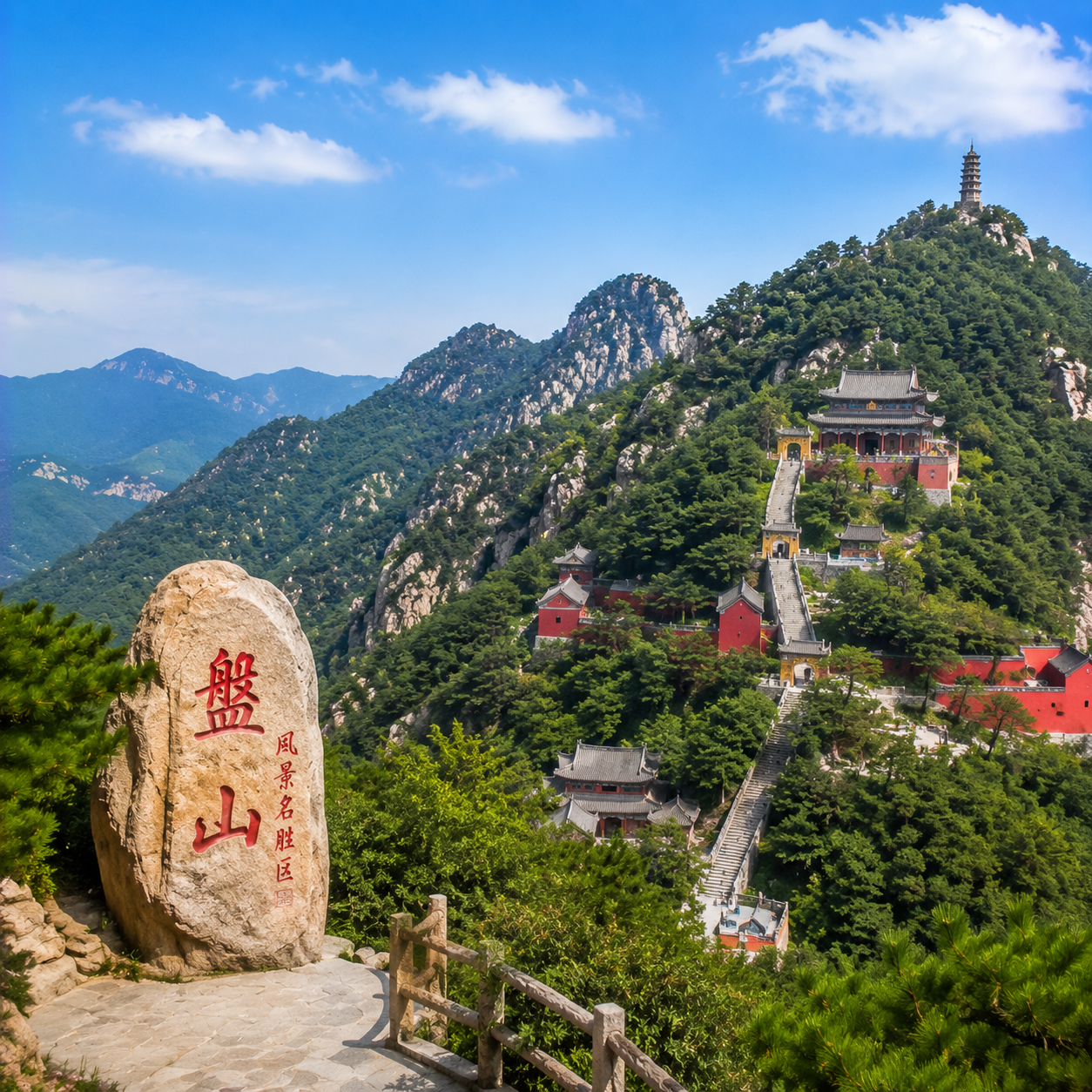
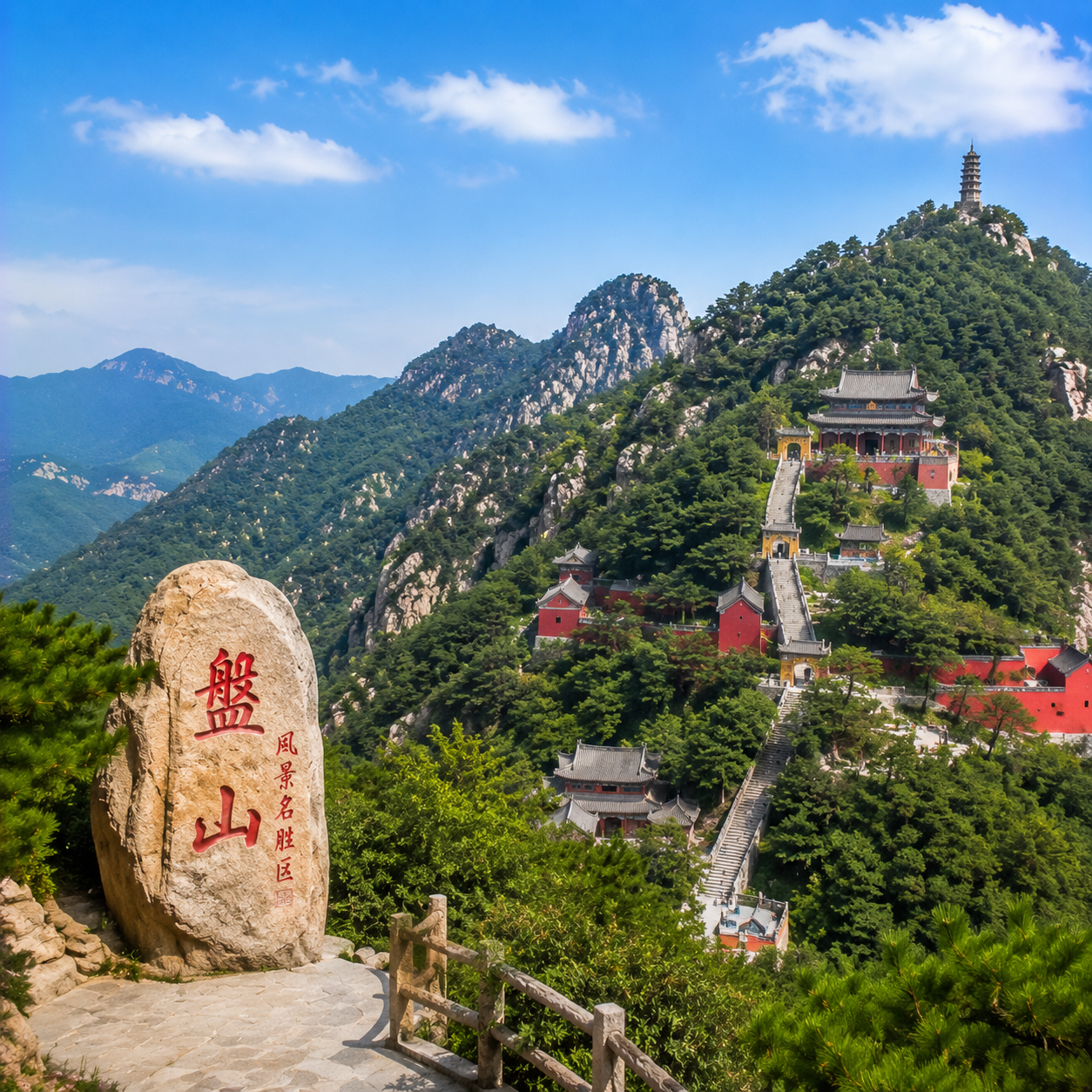
Panshan lies in Tianjin's northern Jizhou District, away from the dense streets of the city center. Pine trees, rock formations, temples and mountain paths create an excursion that combines scenery with cultural history.
The mountain has long attracted visitors, including Qing emperors. Today, its appeal lies in the contrast between shaded woodland, exposed viewpoints and the reminders of religious and imperial interest along the way.
Top scenic & cultural highlights
- Pine-covered slopes: A defining feature of the mountain landscape.
- Rock formations and viewpoints: Opportunities to appreciate the surrounding ridges and valleys.
- Temple heritage: Religious sites add cultural context to the scenery.
- Imperial associations: The mountain is closely linked with the travel history of the Qianlong emperor.
Local life & culture
The wider Jizhou area offers a rural counterpoint to central Tianjin. Village accommodation and regional meals can turn a mountain outing into a slower overnight stay.
Food
Nearby restaurants commonly serve home-style northern dishes, seasonal vegetables, dumplings and stews. Choose an established dining stop and allow time for a proper meal before the return journey.
Exploring Panshan
Different combinations of walking and visitor transport suit different energy levels. A cableway can reduce part of the climb, but it does not necessarily remove all steps or uneven surfaces from the visit.
Practical tips for visitors
- Treat Panshan as a full-day excursion, allowing for the drive from your base.
- Check which entrances, walking routes and cableways are operating.
- Wear shoes with good traction and carry water.
- Avoid assuming that mountain weather will match conditions in central Tianjin.
- Add other Jizhou attractions only if travel times leave enough room for an enjoyable visit.
Panshan brings mountain scenery and cultural history together within reach of northern China's major cities.