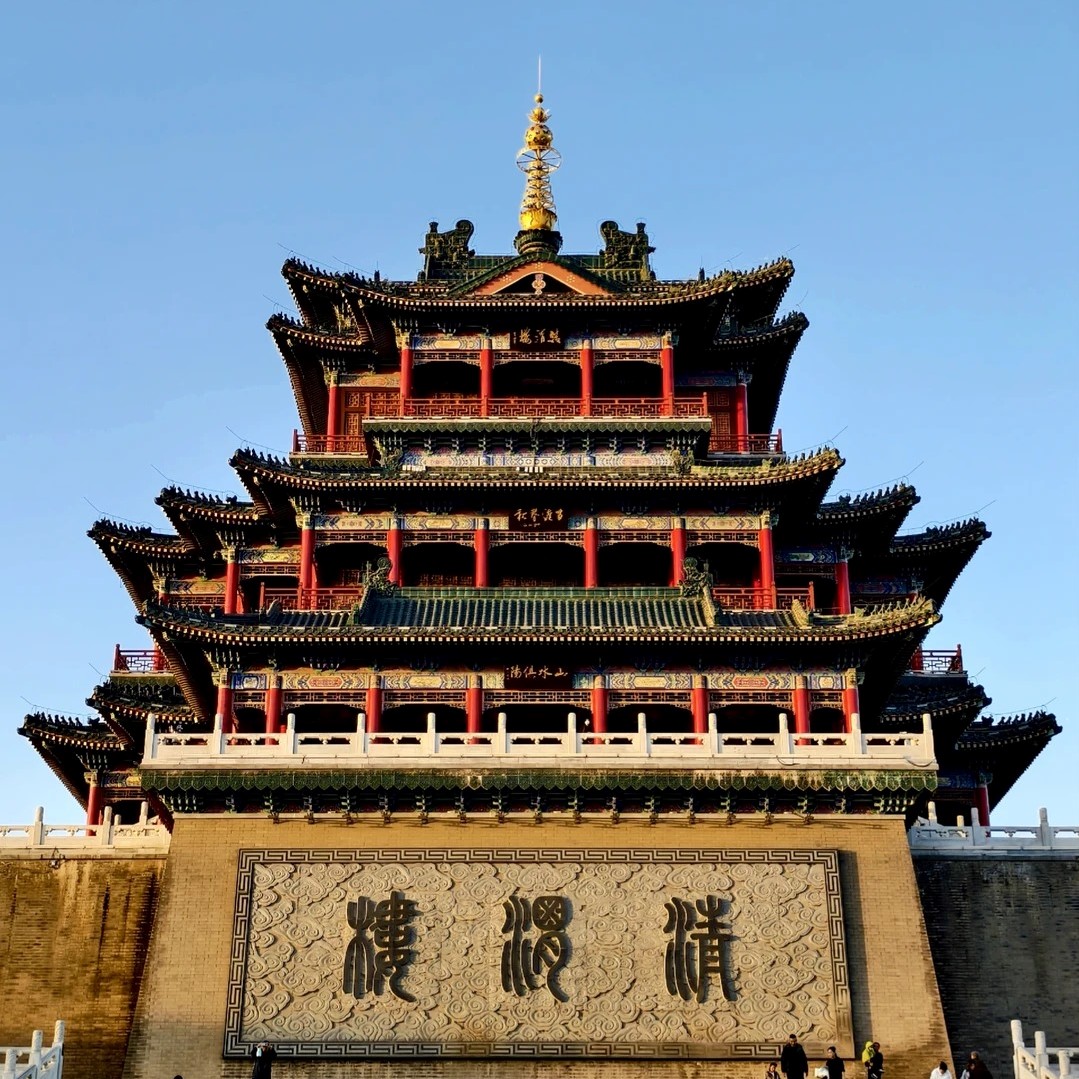
Xi'an - Xianyang Palace
Xianyang Palace, located on the northern bank of the Wei River in the Xixian New Area near Xi’an, Shaanxi Province, was the imperial palace and political heart of the State of Qin and later the Qin Dynasty, China’s first unified imperial dynasty. In 350 BC, Duke Xiao of Qin moved the state capital to Xianyang, and over the following 144 years, the palace complex witnessed Qin’s rise from a regional power to the ruler of all China, as well as the establishment of the unified imperial system that shaped China for the next two millennia. Today, the site has been designated a National Archaeological Site Park, preserving the rammed-earth foundations of palace halls, administrative buildings and ancient road networks. It has a temperate continental monsoon climate, with distinct four seasons and pleasant weather in spring and autumn. Time zone: UTC+8, no daylight saving time.
Top highlights
- The supreme political center of the Qin Dynasty, where Qin Shi Huang implemented sweeping reforms, standardized writing, weights and currency, and laid the foundation for China’s 2,000-year imperial unification.
- A National Archaeological Site Park covering over 700 hectares, with well-preserved rammed-earth palace platforms, ancient drainage systems and road relics that reveal the grand scale of the Qin capital.
- The on-site Xianyang Palace Museum with the themed exhibition “Central Hub of the Great Qin, Unifier of All Under Heaven”, displaying dozens of groups of unearthed relics including bronze ritual vessels, Qin imperial edict plates and architectural components.
- A classic example of ancient Chinese capital planning philosophy known as “designing the capital to mirror the heavens”, with the Wei River running through the city and palace layouts aligned with celestial constellations.
Local culture
Xianyang Palace is the core symbol of Qin civilization, representing the era that created China’s foundational imperial system. The reforms of Shang Yang, the military conquest of the six warring states, and the standardization of institutions all took shape here, leaving an indelible mark on Chinese history. Today, the site forms part of the Qin-Han cultural belt around Xi’an, alongside the Terracotta Army and the Qin-Han Gallery of Shaanxi History Museum. It has become an important base for archaeological research, cultural education and Qin-themed study tours, carrying forward the legacy of the dynasty that first unified China.
Food
The surrounding area serves authentic Guanzhong and Shaanxi specialties. Local classics include roujiamo (braised pork burger), biangbiang noodles, crispy cold noodles, lamb paomo soup, fried wheat cakes and persimmon sweet cakes. Nearby farmhouses and local restaurants also serve home-style Shaanxi dishes made with fresh local ingredients.
Practical tips for visitors
- It is located in Xixian New Area, about 40 minutes’ drive from downtown Xi’an, reachable by bus or chartered car.
- Admission to the site museum and archaeological park is free, with no advance reservation required.
- Wear comfortable walking shoes, as the heritage site covers a large area with open-air paths.
- It can be visited together with the nearby Qin-Han Gallery of Shaanxi History Museum for a complete Qin-Han cultural experience.
Xianyang Palace is a solemn witness to the birth of China’s first unified empire, where ancient palace ruins and loess plateau scenery bring to life the transformative era of the Great Qin.
Discover what makes each destination special, from iconic landmarks to hidden gems. For more information or a personalized itinerary, please contact us—we’d love to help you plan your visit.